0

The Vigilant Guide: Basic Emergency Evacuation Plan
When a crisis hits, human instinct often leans toward panic. Whether you are managing a busy office or protecting your family at home, the single most effective way to replace panic with action is by having a clear, practiced emergency evacuation plan.
At Vigilant, we know that security hardware is only as good as the strategy behind it. Creating an emergency evacuation plan doesn’t require a degree in crisis management; it simply requires foresight, communication, and a few basic supplies. Here is our step-by-step guide to building an effective strategy.
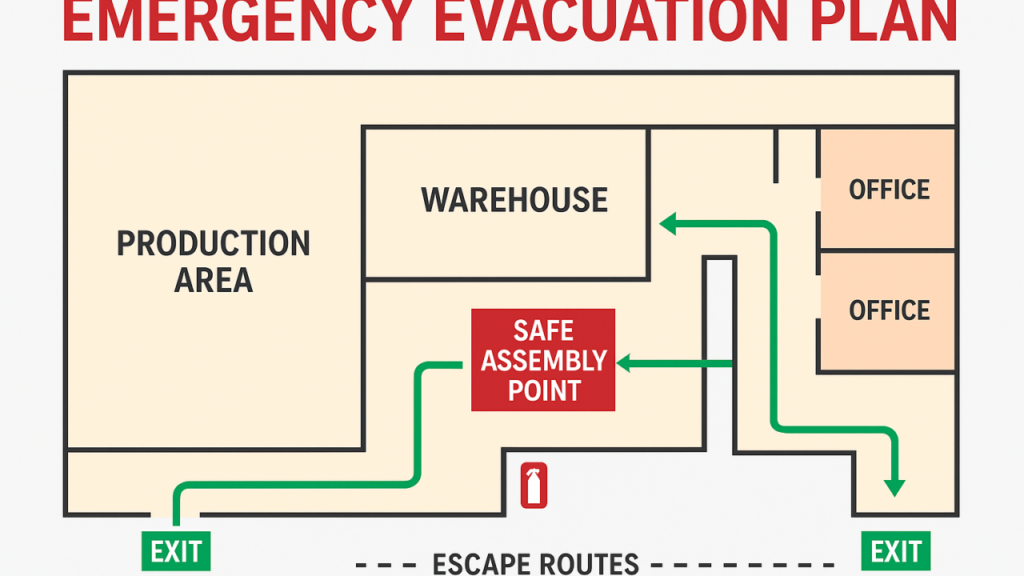
Step 1: Map Your Exits
The foundation of any good emergency evacuation plan is knowing your way out.
- Identify two exits: Ensure every room in your home or office has at least two potential exit routes (e.g., a door and a ground-floor window).
- Keep paths clear: Never block hallways or exit doors with boxes, furniture, or clutter.
- Check your hardware: Ensure your primary exits, like your Heavy-Duty Door, can be quickly unlocked from the inside using your Smart Home Lock without needing to fumble for keys in the dark.
Step 2: Establish a Safe Meeting Point
Getting out is only half the battle; knowing everyone is accounted for is the other.
- Choose a specific, permanent meeting location a safe distance away from the building (e.g., the large oak tree across the street, or a specific lamppost in the parking lot).
- Make it a strict rule that once someone is out, they go directly to the meeting point and never re-enter the building.
Step 3: Gear Up for the Unexpected
An effective emergency evacuation plan includes having the right tools readily accessible along your escape route.
- Fire Suppression: Keep a Vigilant Fire Extinguisher mounted in high-risk areas like the kitchen or breakroom to clear a path if a small fire blocks your primary exit.
- Grab-and-Go Gear: Store our All-in-One Emergency Survival Kit near your main exit. If you have to leave in a hurry, grabbing this kit ensures you have immediate access to first aid, flashlights, and survival essentials while you wait for first responders.
Step 4: Assign Roles and Responsibilities
In a household, designate an adult to be responsible for helping children or elderly family members. In a corporate setting, appoint floor wardens who are responsible for doing a final sweep of their designated area (including bathrooms) before exiting.
Step 5: Practice Makes Perfect
A plan on paper is useless if no one remembers it during an adrenaline spike. Run a practice drill at least twice a year. Time yourselves, identify any bottlenecks, and adjust your emergency evacuation plan accordingly.
Stay Prepared, Stay Vigilant. Safety is not a one-time purchase; it is a continuous habit. By taking an afternoon to outline and practice your evacuation strategy, you are investing in the ultimate peace of mind.